Project Helix Xbox 25th Anniversary Magazine: Helix Clarified
November 15, 2026 design-goal language, neural rendering, and preservation.
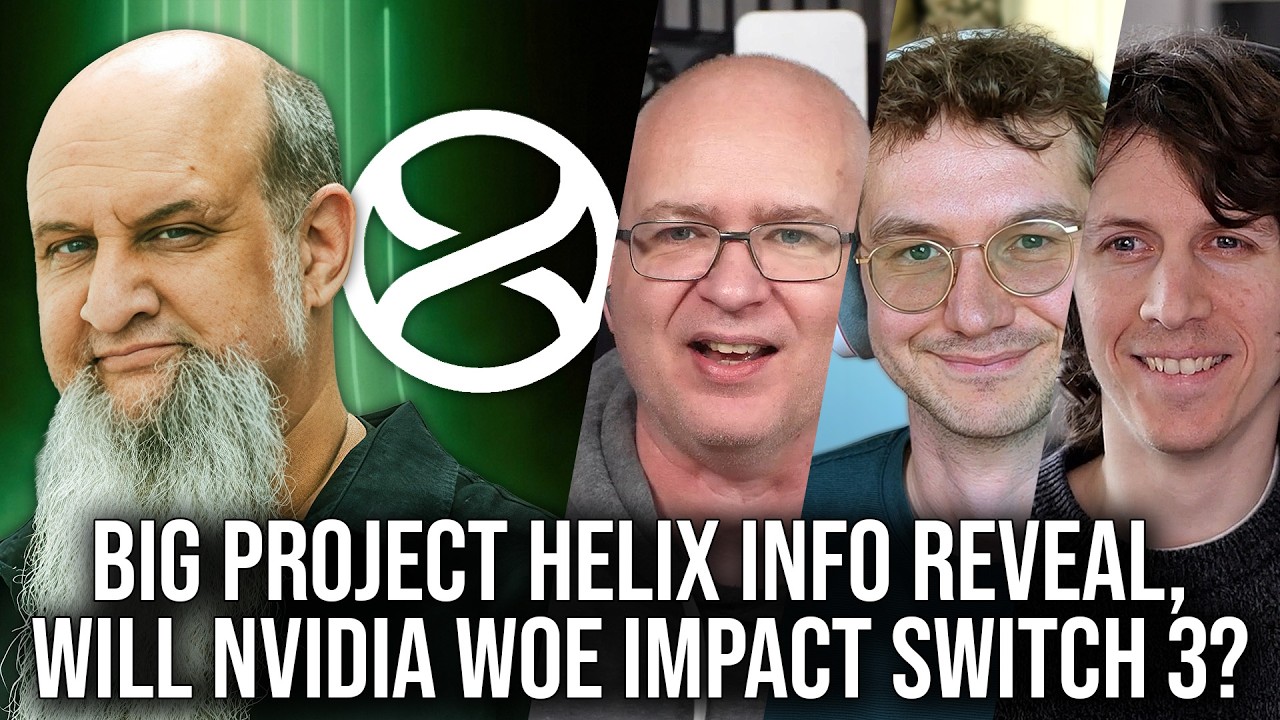
On November 15, 2026, Xbox published a digital 25th Anniversary Magazine that included a Project Helix feature with Jason Ronald, Xbox’s vice president of next generation. The interview did not replace the GDC 2026 hardware pillars. It clarified consumer-facing design goals, elevated neural rendering, and made game preservation impossible to miss.
Use this page together with What is Project Helix, Neural rendering, PC games support, and the timeline.
The line that reshaped the conversation
Ronald’s clearest formulation:
Helix is designed to be a console that is also capable of playing games from your PC. It is not a PC that can also play console games.
That sentence is now the wiki’s preferred short definition. It keeps the GDC promise of PC-game capability while insisting the default experience should feel like a console: instant access, low friction, and fewer OS/driver chores—while still allowing power users deeper settings when they want them.
Ultimate gaming machine framing
The magazine piece framed Helix as an “ultimate gaming machine” meant to remove historical barriers of play: bringing four generations of Xbox library and progression forward, and reducing arbitrary splits between console and PC catalogs. Continuity language connects directly to the GDC library commitment and to the longer preservation discussion below.
Neural rendering over vanity metrics
Ronald argued the next generation should not be defined primarily by 8K or 240 Hz marketing checkboxes. Instead he highlighted gameplay innovation, deeper immersion, and technical advancements such as neural rendering to reach higher visual fidelity in more efficient ways.
He described neural rendering as a way to generate frames without simply stacking more raw compute and memory—especially relevant in a period of rising component costs. That efficiency story matters when rumor sites invent premium price tags; efficiency goals are not the same thing as an announced MSRP. See Confirmed vs rumors and the Specs Hub.
GDC already tied Helix to next-gen FSR, ML upscaling, multi-frame generation, and ray regeneration. The magazine interview widens the why: keep ambition high while staying accessible. Hardware detail pages: AMD SoC and FSR and ray tracing claims.
Game preservation as a core value
Ronald called game preservation core to Xbox, describing a responsibility that goes beyond short-term backward compatibility marketing. The interview referenced designing hardware and working with creators so games can remain playable 20 to 30 years into the future—learning from decades when preservation was rarely a first-class design constraint.
For players, that means Helix messaging is as much about keeping libraries alive as about peak path-tracing demos. For developers, it foreshadows platform expectations around longevity, not only launch-week spectacle.
Cost pressure without a price tag
The magazine conversation acknowledged a challenging component-cost environment and the need to invent new technology that advances the state of the art while remaining accessible. Journalists and rumor accounts sometimes stitch those remarks to $1,200–$1,800 speculation. This archive records the cost-pressure context as real and the dollar figures as unverified unless Xbox publishes them.
What the magazine did not announce
Still absent after November 15, 2026:
- Official retail launch date
- Official consumer price
- Final SKU stack or disc-drive configuration sheet
- Named guarantee that every PC storefront (Steam or otherwise) ships day one
- Exhaustive silicon clocks and memory capacities
If a headline claims the magazine “confirmed” any of the above, compare it against Confirmed vs rumors.
How this fits the wider archive
- GDC 2026 — silicon partnership, RT leap, 2027 alphas, four-gen library
- This page — console-first wording, neural rendering priority, preservation emphasis
- Timeline — ordered milestones with rumor labels
- Specs Hub — claim-oriented hardware reading
The embedded Digital Foundry discussion above is analysis of the public Helix reveal conversation—not an Xbox first-party video. Prefer primary Xbox Wire and magazine text when wording must be precise.
Takeaways
- Helix remains a console-first project with a PC-games capability goal.
- Neural rendering is a stated strategic focus, not a complete public feature checklist.
- Preservation and multi-generation continuity are first-class talking points.
- Price and retail timing stayed unset in the anniversary materials.
Return to the Updates Hub when the next official interview or showcase drops.
Frequently Asked Questions
Quick answers grounded in official statements and carefully labeled rumors.
What did the anniversary magazine clarify about Helix?
That Helix is a console capable of playing PC games—not a PC that plays console games—plus stronger neural rendering and preservation emphasis. Overview: What is Project Helix.
Did Xbox announce a price in the magazine?
No. Cost pressures were discussed; specific $1,200–$1,800 figures remain rumors. See Confirmed vs rumors.
How does neural rendering connect to GDC?
GDC introduced next-gen FSR / ML rendering themes; the magazine explained why efficiency-focused neural techniques matter. Read Neural rendering.
Is game preservation only backward compatibility?
Xbox framed preservation more broadly—designing so games remain playable decades ahead—while still continuing multi-generation library goals from GDC 2026.